
High Risk Infectious Disease Control
Our Role in Ebola Preparedness in BC
Understanding Professional Response Standards
While rare infectious diseases are not part of everyday life in British Columbia, professional biohazard cleaning companies must remain prepared for a wide range of potential biological hazards. This includes extremely rare but high-consequence pathogens such as Ebola virus disease.
At BC Trauma Cleaning, our focus is on safe, controlled, and standards-based biohazard cleaning services for situations where advanced infection control procedures may be required.
What Is Ebola Virus Disease?
Ebola virus disease is a severe viral illness transmitted through direct contact with infected bodily fluids or contaminated materials. It is not airborne and requires close contact for transmission.
Although outbreaks have occurred primarily in specific regions of Africa, global travel and healthcare systems maintain preparedness protocols for rare exposure scenarios.
Importantly, there are currently no known cases of Ebola virus disease in Canada.
Why Biohazard Cleaning Preparedness Matters
Even though Ebola virus disease is not present in British Columbia, professional remediation companies must be prepared for a broad range of biological risks.
High-level biohazard cleaning protocols ensure safe response in environments such as:
International medical or transport exposure scenarios
Quarantine or isolation environments
Contaminated personal spaces following rare exposure events
Government-directed biohazard response situations
These situations are extremely uncommon, but require highly controlled procedures when they do occur.
Professional Response Standards for High-Risk Pathogens
When dealing with any suspected high-risk infectious environment, including diseases such as Ebola virus disease, strict safety protocols are essential.
Our biohazard cleaning process includes:
Full personal protective equipment (PPE) protocols
Controlled entry and containment zones
Safe handling and removal of contaminated materials
Approved disinfectants for biological decontamination
HEPA-filtered air management where required
Cross-contamination prevention procedures
These steps are designed to protect technicians, occupants, and surrounding environments during remediation.
No Current Local Risk, But High Standards Remain Essential
While Ebola virus disease is not a current public health concern in British Columbia, preparedness is part of responsible biohazard industry practice.
Maintaining readiness ensures that if a rare high-risk scenario ever arises, trained professionals can respond safely, efficiently, and in accordance with established biohazard protocols.
Integrated Biohazard Cleaning Services in BC
This topic falls under our broader biohazard cleaningandinfectious disease decontamination services, including:
Hantavirus cleanup BC
Infectious disease cleaning and disinfection
Final Thoughts
High-risk pathogens like Ebola virus disease are exceedingly rare in Canada, but professional cleaning standards require preparedness for all levels of biological risk.
At BC Trauma Cleaning, our focus remains on safe and professional biohazard remediation across British Columbia.
Airborne & Bloodborne Pathogen Remediation: How Professional Trauma Cleaning Protects Workers and the Public
In recent months, global headlines surrounding outbreaks such as the Andes hantavirus and Ebola have renewed public awareness about the dangers posed by infectious diseases, biohazards, and contaminated environments. While these outbreaks may seem geographically distant, they highlight an important reality: dangerous pathogens can exist anywhere bodily fluids, animal waste, or contaminated materials are present.
At BC Trauma Cleaning Group, our work revolves around the remediation, containment, and decontamination of environments impacted by biohazardous materials. From trauma scenes and unattended deaths to rodent contamination and infectious contamination cleanup, our technicians are trained to manage exposure risks associated with airborne and bloodborne pathogens using strict safety protocols and industry-recognized procedures.
Understanding the Risks of Biohazard Exposure
Many viruses and bacteria can survive outside the body for extended periods depending on environmental conditions. Some pathogens spread through direct contact with contaminated bodily fluids, while others may become airborne through disturbed particles, aerosolization, or improper cleanup methods.
Examples of serious biological hazards include:
Bloodborne pathogens such as Hepatitis B, Hepatitis C, and HIV
Airborne contaminants associated with rodent infestations and droppings
Bacteria and viral contaminants present in decomposition environments
Cross-contamination risks from improperly handled biohazard environments
Exposure to infectious bodily fluids in trauma or crime scenes
Professional trauma cleaning requires more than simply disinfecting surfaces. It involves hazard assessment, contamination control, and advanced decontamination techniques designed to protect both workers and occupants.
Why Improper Cleanup Can Be Dangerous
Biohazard environments should never be cleaned without proper training and personal protective equipment (PPE). Improper handling of contaminated materials can result in:
Aerosolization of dangerous particles
Secondary contamination throughout the property
Exposure to infectious materials
Incomplete disinfection
Long-term health risks for occupants and workers
For example, disturbing rodent droppings without proper containment methods can release harmful particles into the air. Similarly, trauma scenes involving blood or bodily fluids may contain unseen contamination beyond visibly affected areas.
Safe Work Practices Used in Professional Trauma Cleaning
At BC Trauma Cleaning Group, technician safety is a critical component of every remediation project. Our crews follow detailed exposure control procedures designed to minimize risk during biohazard remediation.
These safety practices include:
Comprehensive Personal Protective Equipment (PPE)
Technicians utilize appropriate PPE depending on the contamination level and environmental hazards involved. This may include:
Full-body protective suits
Protective suits help prevent contaminants from coming into contact with a technician’s skin or clothing. They also help reduce the risk of cross-contamination when working in environments impacted by bloodborne pathogens, biological hazards, or airborne particles.
Respiratory protection
Respirators are essential in environments where airborne contaminants, aerosolized particles, bacteria, or viral matter may be present. Proper respiratory protection helps minimize inhalation risks during remediation activities involving disturbed contaminants or confined environments.
Two layers of nitrile gloves
Double-gloving provides an additional layer of protection when handling contaminated materials or surfaces. If the outer glove becomes compromised, the second layer helps maintain a barrier against exposure while reducing contamination risks during glove changes.
Eye and face protection
Safety goggles and face shields help protect against splashes, airborne particles, and accidental exposure to the mucous membranes and respiratory routes of the technician.
Exposure Control Plans & Hazard Assessments
Before remediation begins, contaminated environments are assessed to identify:
Potential airborne hazards
Bloodborne pathogen exposure risks
Structural contamination
Cross-contamination concerns
Required containment measures
Exposure control plans help establish safe workflows, PPE requirements, decontamination procedures, and contamination control protocols for each unique environment.
Containment & Airborne Contamination Control
Many biohazard scenes require strict containment procedures to prevent contaminants from spreading to unaffected areas of the property. Depending on the situation, this may involve:
Controlled work zones
HEPA air filtration systems
Negative air pressure environments
Isolation of contaminated materials
Specialized disinfection procedures
These methods help reduce airborne particle movement and protect both workers and occupants during remediation.
Bloodborne Pathogen Training & Compliance
Professional trauma cleaning technicians receive specialized training related to:
Bloodborne pathogen awareness
Proper PPE usage
Biohazard environment protocols
Decontamination procedures
Exposure response protocols
Maintaining proper safety procedures is essential not only for regulatory compliance, but also for reducing the risk of occupational exposure during trauma and biohazard remediation work.
The Importance of Professional Biohazard Remediation
Infectious disease concerns continue to reinforce the importance of properly trained remediation professionals. Whether dealing with trauma scenes, unattended deaths, infectious contamination, or rodent-related biohazards, professional cleanup services play a vital role in restoring environments safely and responsibly.
At BC Trauma Cleaning Group, we approach every project with professionalism, discretion, and a strong commitment to health and safety. Proper containment, decontamination, and exposure prevention are essential to protecting our workers, our clients, and the communities we serve.
Need Professional Biohazard or Trauma Cleaning Services?
If you require trauma scene cleanup, biohazard remediation, or rodent contamination cleanup in British Columbia, our team is available to respond with professional remediation practices designed to restore your property properly and responsibly.
Contact BC Trauma Cleaning Group to learn more about our trauma cleaning and biohazard remediation services.
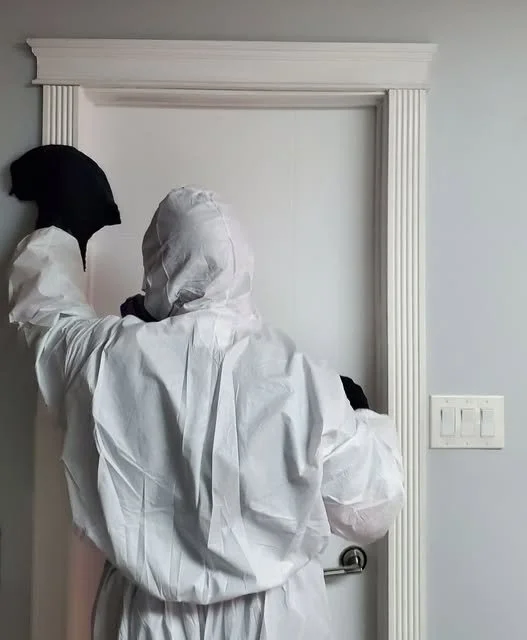
Comprehensive Trauma & Biohazard Cleaning Services in BC
BC Trauma Cleaning offers professional trauma scene cleanup, biohazard cleaning, and decontamination services across BC, including Vancouver. Learn how our expert teams restore safety and peace of mind.
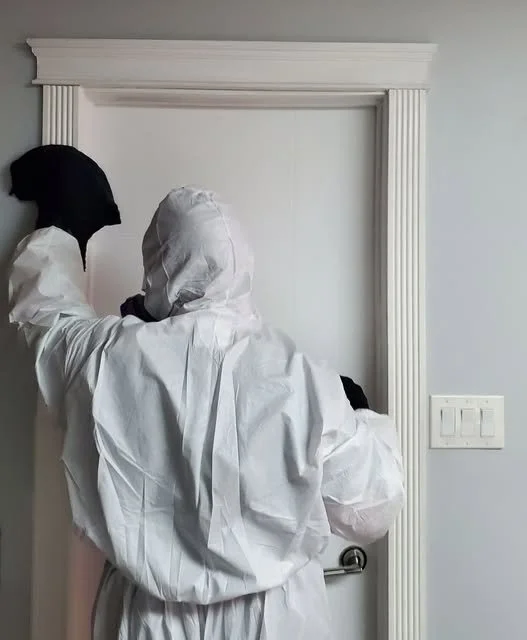
BC Trauma Cleaning team performing trauma scene cleanup in Vancouver.
You’ve experienced a traumatic event. What now?
When a traumatic or hazardous incident occurs, the aftermath can be overwhelming. Homes, offices, and commercial spaces affected by trauma, crime, or biohazards require specialized cleaning that ensures safety and sanitation.
At BC Trauma Cleaning, we provide expert trauma scene cleanup, crime scene cleanup BC, and biohazard cleaning services for residential and commercial clients across British Columbia, including Vancouver trauma cleaning. Our team combines professional expertise, advanced equipment, and compassionate service to restore affected environments efficiently and safely.
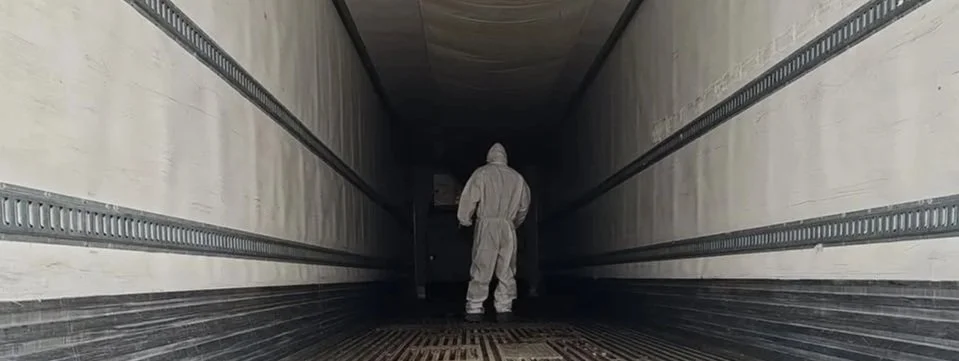
BC Trauma Cleaning team performing decontamination in a commercial vehicle.
What is Trauma Scene Cleanup?
Trauma scene cleanup involves the thorough cleaning and sanitization of areas affected by traumatic events, including accidents, sudden deaths, or violent incidents. Unlike regular cleaning, this work requires specialized knowledge, protective equipment, and adherence to strict safety protocols.
Our Trauma Cleaning Services Include:
Trauma cleanup services for residential and commercial properties
Trauma clean up after accidental or violent events
Trauma cleanup company services tailored to local BC clients
Vancouver trauma cleaning for city residents, properties and businesses
We focus on both safety and sensitivity, recognizing the emotional stress that comes with trauma cleanup.
Biohazard Cleaning Services Near You
Biohazard situations demand immediate attention. Our biohazard cleaning services cover:
Blood and bodily fluid removal
Pest control cleaning and animal waste removal
Drug lab cleanup and hazardous material handling
Suicide, homicide, and drug overdose cleanup
We also provide specialized services for biohazard cleanup companies and hazmat cleaning company inquiries.
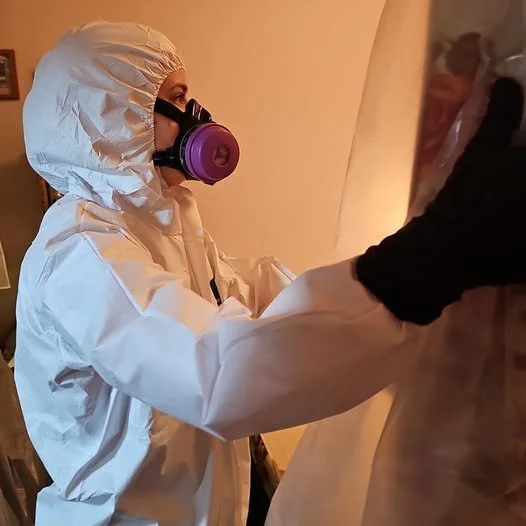
BC Trauma Cleaning technician performing biohazard cleanup with protective gear.
Crime Scene Cleanup and Trauma Remediation
Our teams are trained to handle crime scene cleanup and crime and trauma cleaning situations with precision and discretion. This includes:
Trauma scene cleanup services for sudden deaths or violent incidents
Crime scene cleanup BC for residential and commercial clients
Crime scene cleanup vancouver targeting city locations
Trauma clean up and trauma cleanup company support
Decontamination Services in BC
In addition to trauma and crime scene cleanup, we offer decontamination services including:
Our hazmat cleaning and hazmat cleaning company services provide comprehensive solutions for residential, commercial, and industrial properties.
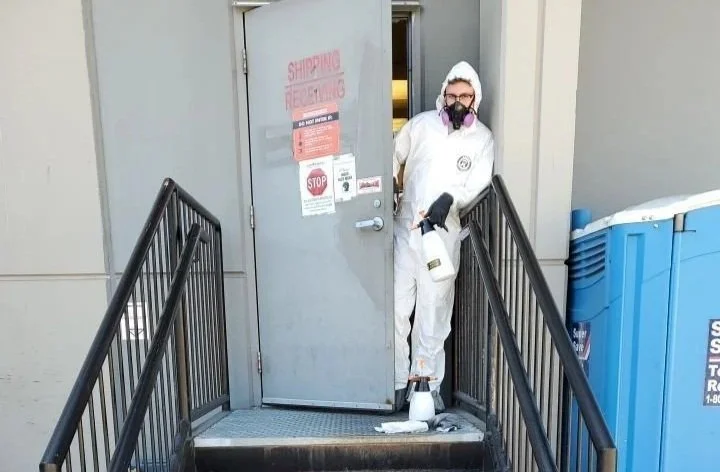
BC Trauma Cleaning technician on-site at a commercial facility for decontamination.
Why Choose BC Trauma Cleaning?
Expertise and Professionalism: Our teams are trained in trauma cleaning, trauma cleanup, and biohazard cleaning company protocols.
Local Knowledge: Serving Vancouver and all over BC, including Vancouver trauma cleaning, we provide tailored services.
Safety First: We follow strict protocols for trauma scene cleanup, biohazard cleanup services, and hazmat cleaning company standards.
Compassionate Service: We handle each site with sensitivity, understanding the emotional toll on property owners.
Comprehensive Service: From trauma scene cleanup services to biohazard services, we offer end-to-end restoration and sanitization.
Click here to learn more about our company.
Frequently Asked Questions
Q: What is included in trauma scene cleanup?
A: Trauma scene cleanup includes removal of biohazards, sanitization of affected areas, odor removal, and safe disposal of contaminated materials.
Q: How quickly can BC Trauma Cleaning respond?
A: We provide rapid response for emergencies across BC, including Vancouver, to ensure safety and compliance. Click here our list of services areas.
Q: Are your services confidential?
A: Yes, we treat all trauma and crime scene cleanup situations with complete discretion and professionalism.
Q: What makes your biohazard cleaning services different?
A: We believe there is no such thing as a one-size-fits-all solution to any biohazard or trauma scene. We tailor our services to every unique scenario, going above and beyond decontamination. We offer in-house services that reduce the need to coordinate with other contractors, up to and including basic landscaping and repairs.
Contact BC Trauma Cleaning Today
If you are searching for trauma cleanup services, biohazard cleaning near me, or a trusted trauma cleanup company, contact BC Trauma Cleaning today. Our teams are ready to respond quickly, ensuring your property is restored safely and professionally.
Myth-Busting: Common Misconceptions About Trauma Cleaning
Trauma cleaning is often misunderstood. In this post, we debunk common myths and explain why relying on professionals is crucial for safe and effective cleanup.
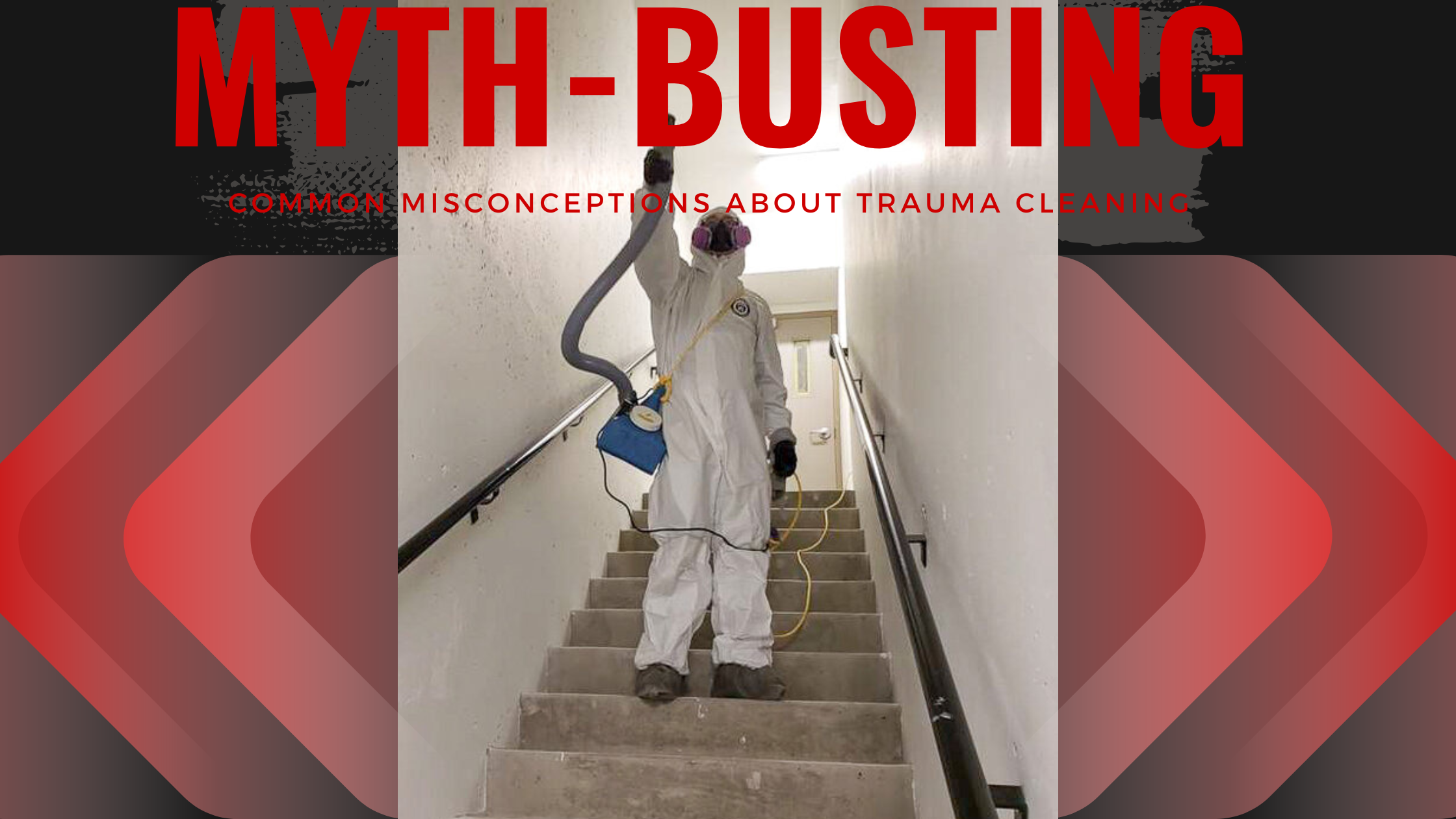
Trauma cleaner applying disinfectant on a job site.
Myth: Trauma Cleaning is Just a Standard Cleaning Job
Truth: Trauma cleaning goes far beyond regular cleaning.
It involves the removal of biohazardous materials, decontamination, and the thorough sanitization of a property to prevent health risks. It requires knowledge of pathogens, safe handling of potentially infectious materials, and specific techniques to eliminate harmful substances while maintaining safety. Where a regular cleaner may be at the property they're working in for a few hours, our technicians often work on the same location for multiple days because of how in-depth their work needs to be to restore a property to living condition.
Myth: Any Cleaning Company Can Handle Trauma Cleaning
Truth: Trauma and biohazard cleaning is a highly specialized service that requires extensive training, experience, and specific equipment.
Not all cleaning companies are equipped or trained to handle biohazardous materials like blood, bodily fluids, or drug paraphernalia. Professionals in trauma cleaning have extensive training and follow strict health and safety protocols to ensure proper disposal and sanitation. We wear Tyvek protective suits to protect us from contamination on our skin and clothes, respirator masks that protect us from airborne particles and strong odours, and use a double layer of gloves to ensure our hands stay well protected. We also use specialized equipment and cleaning solutions to effectively eliminate contaminants, particles and odours from surfaces and the air to the best of our ability.
Myth: Trauma Cleaning is a "One-Size-Fits-All" Service
Truth: Every trauma scene is unique, and different situations require tailored cleaning methods.
The approach depends on factors like the type of trauma (crime scene, hoarding, medical incidents), the materials involved, the extent of contamination, and the environment. A one-size-fits-all solution is not only ineffective but can also pose additional risks.
Myth: Trauma Cleaning Is Only Needed for Crime Scenes
Truth: While crime scene cleanup is a common reason for trauma cleaning, it's not the only situation that requires professional intervention.
Trauma cleaning is also essential for dealing with other biohazardous situations, such as hoarding, unattended deaths, medical emergencies, drug paraphernalia, sewage backups, and even natural disasters like floods or fires. Any situation involving contamination that could pose health risks requires specialized cleanup, not just crime scenes.
Myth: Trauma Cleaning Can Be Done Quickly Without Proper Procedures
Truth: Proper trauma cleanup requires time, meticulous attention to detail, and adherence to strict guidelines.
Rushing the process can result in incomplete cleaning, which may leave harmful contaminants behind, leading to long-term health risks. Effective trauma cleanup takes time to ensure all biohazards are removed, the property is sanitized, and the environment is restored to a safe condition. We take every reasonable measure to ensure our technicians are given adequate time to handle each unique situation with appropriate care and diligence.